Signs of an Overwatered Plant and How to Save It
Learn to spot the warning signs of overwatering, diagnose root rot, and rescue your drowning houseplant.
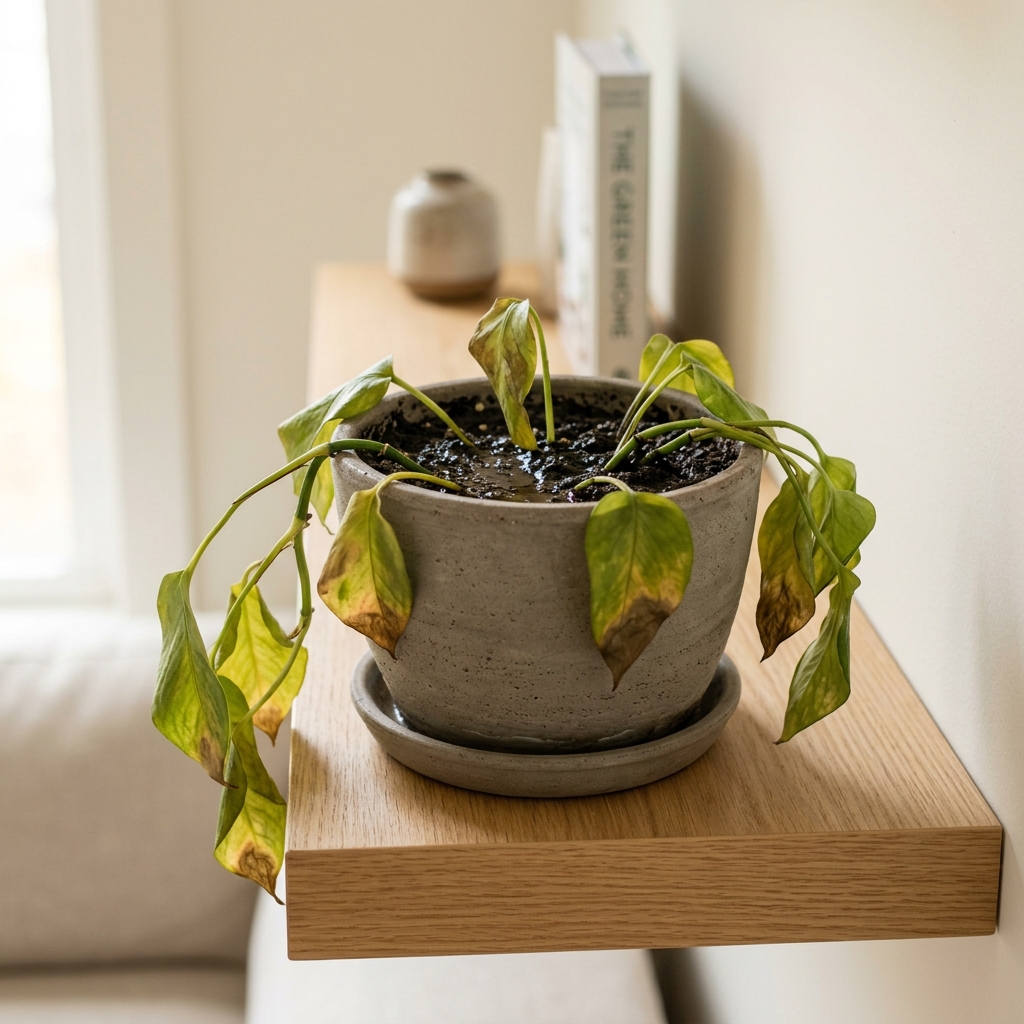
Have you ever noticed your indoor greenery looking a bit tired, only to find the soil is damp? If you are asking yourself "why is my houseplant drooping," you might be dealing with an overwatered plant. Many indoor gardeners make the mistake of showing too much love through the watering can. In this comprehensive guide, we will analyze every critical overwatered plant sign and explain exactly how to restore your vegetation to perfect health.
Understanding the differences between a drowning plant and the signs of healthy plant life is the first step toward successful gardening. While a thriving specimen features firm stems and rich green foliage, a plant overwater issue manifests in various subtle ways. If you notice a clear sign of overwatered plant stress, you must act quickly to implement overwatered plant solutions. Let’s explore how to identify these warnings and what steps to take if you want to save my over watered plant today.
Table of Contents
Eight Visual Signs of an Over watered Plant
Recognizing a plant overwatering problem early is key to its survival. Here are the eight most common visual indicators that your indoor green friend is getting too much hydration, which serve as the classic signs of an over watered plant:
- Yellowing Lower Leaves: When a plant gets too much water, the lower leaves are usually the first to turn yellow. This overwatered plant sign occurs because the roots are drowning and cannot transport nutrients. Over time, this yellowing moves upward, affecting the entire plant.
- Soft, Mushy Stems: Healthy plants have firm, upright stems. Excess moisture causes the cells within the stems to fill to capacity and burst, leading to soft, mushy stems. If you touch the base of the stem and it feels limp, this is a major warning.
- Water Blisters (Edema): When roots absorb more moisture than the leaves can transpire, the excess water pressure causes cells to rupture on the undersides of the leaves. This leaves small, rough, blister-like bumps. These spots eventually turn tan or brown, leaving permanent scars.
- Mold Growth on the Soil: A persistent white or grey fuzzy mold growing on the soil surface is a clear indicator of stagnant moisture. While the mold itself is usually harmless to the plant, it proves that the soil is not drying out. This environment is a breeding ground for harmful fungi.
- Wilting Foliage Despite Wet Soil: It seems counterintuitive, but a drowning plant will often wilt. Because the roots are suffocating, they lose the ability to absorb water. Consequently, the leaves droop from lack of moisture, even though they are sitting in wet soil.
- Brown Leaf Tips with Yellow Halos: In specific species, like when you witness a Snake Plant overwater situation, the tips of the leaves will turn brown. This browning is typically surrounded by a yellow ring or halo. It indicates that the root system is beginning to decay under the soil.
- Slow or Stunted Growth: Has your houseplant stopped producing new leaves? In case of a ZZ Plant overwater scenario, the plant will enter a state of survival, halting all new growth. The leaves may also appear smaller or slightly pale compared to normal.
- Fungus Gnats Swarming: Fungus gnats thrive in moist organic matter. If you notice tiny black flies buzzing around your pots, it is because the topsoil has remained damp for too long. Their larvae feed on organic material and can damage delicate roots.
Plant Diagnosis for Overwatering and Root Rot
Before you can apply the correct remedy, you must perform a proper plant diagnosis for overwatering. This process involves examining both the visible parts of the plant and the root system hidden beneath the soil.
To check for root rot, gently remove the plant from its container. Healthy roots are firm, flexible, and white or tan. In contrast, rotted roots are mushy, black, and emit a foul, swamp-like odor. If more than half of the roots are rotted, saving the plant will require aggressive action.
How to Save an Overwatered Plant: A Step-by-Step Rescue Plan
If your diagnosis confirms root rot, you must learn how to save overwatered plant specimens before the decay spreads. Follow this structured rescue plan to give your houseplant the best chance of survival.
- Stop Watering Immediately: The first step in how to save plant from overwatering is simple: put the watering can away. Move the pot to a bright spot with good air circulation to help the soil dry out. Never add more water to a pot that is already saturated.
- Remove the Plant from Its Pot: Gently slide the root ball out of the container. Wrap the soil in paper towels or newspapers to absorb the excess moisture. Let the root system breathe in the open air for a few hours.
- Trim Away Rotten Roots and Affected Foliage: Use sterilized scissors or pruning shears to clip away all mushy, black roots. Make sure to sanitize your shears between cuts to avoid spreading fungal spores. Trim off any yellow or dead leaves as well, so the plant can focus its energy on recovery.
- Repot in Fresh, Dry Soil: Discard the old, soggy soil mix, as it likely contains fungal pathogens. Wash the pot thoroughly with soap and water, then refill it with a fresh, loose soil mix. Repot your plant, making sure not to bury it too deeply.
How to Prevent Overwatering of Plant Varieties
Learning how to prevent overwatering of plant species is far easier than trying to cure root rot. Implement these essential care practices to keep your greenery healthy and vibrant.
First, always choose containers with drainage holes. Without them, water accumulates at the bottom, creating a deadly pool for roots. Second, use the right soil mix; succulents prefer sandy mixes, while tropical plants like aerated peat mixes. Finally, always check the soil moisture before watering. Stick your finger two inches deep; if it feels damp, wait a few days.
Create a Calander Schedule to Save Plant From Overwatering
Many indoor gardeners rely on a rigid weekly calendar to water their plants. However, a static schedule does not account for changing seasons, humidity, or sunlight. This rigidity is the primary cause of root rot.
Instead of a generic routine, you need a dynamic, customized system. We have developed a plant watering calculator that evaluates your plant's species, pot material, and indoor environment. By using our custom tool, you can establish a precise calander schedule to save plant from overwatering. Head over to our watering calculator to calibrate your plant's unique hydration needs and ensure it gets exactly what it needs to thrive.
Conclusion: Restoring Your Indoor Oasis
In conclusion, recognizing an overwatered plant sign early is the key to preventing root decay. By paying close attention to stem texture, leaf color, and soil moisture, you can easily diagnose issues. Remember, under-watering is always safer than over-watering. With the right soil, proper drainage, and our customized calculator, your indoor plants will stay healthy, vibrant, and strong.
Ready to prevent overwatering forever?
Use our plant watering calculator to establish a precise watering schedule customized specifically for your home environment.
Go to CalculatorFrequently Asked Questions (FAQs)
Can an overwatered plant recover on its own?
Generally, a mildly overwatered plant can recover on its own if you stop watering and let the soil dry out. However, if root rot has set in, the plant will continue to decay unless you actively intervene by repotting it in fresh soil and pruning the damaged roots.
How long does it take to save an overwatered plant?
Recovery time varies depending on the severity of the damage and the plant species. Mild cases may show signs of recovery within a few weeks of adjusting your care. Severe cases requiring root pruning can take several months to grow new roots and produce new foliage.
What does a snake plant overwater look like?
An overwatered snake plant typically exhibits soft, mushy, yellowing leaves that bend or fall over at the base. Because snake plants store water in their leaves, excess moisture causes the leaf tissues to lose their structural integrity, leading to rot.
How can I tell if my plant is underwatered or overwatered?
Both conditions can cause leaves to wilt and turn yellow. The key difference lies in the soil and leaf texture. Overwatered plants have damp soil and soft, mushy leaves, while underwatered plants have bone-dry soil and dry, crispy, brittle leaves.
What are the signs of healthy plant root systems?
A healthy root system consists of firm, white or light tan roots that are pliable and root-bound but not compacted. They should smell earthy and clean, never sour or rotten. Healthy roots are essential for anchoring the plant and absorbing nutrients efficiently.
Drought-Tolerant Species Less Prone to Overwatering

Written by Abhay Singh Chauhan
Software developer and plant hobbyist with a 30-plant collection. Passionate about bringing horticultural science and technical precision to everyday plant care.