Terracotta vs Plastic Pots: Which Is Best for Your Houseplants?
An in-depth comparison of water retention, aeration, weight, cost, and how to choose the right pot for your plant.
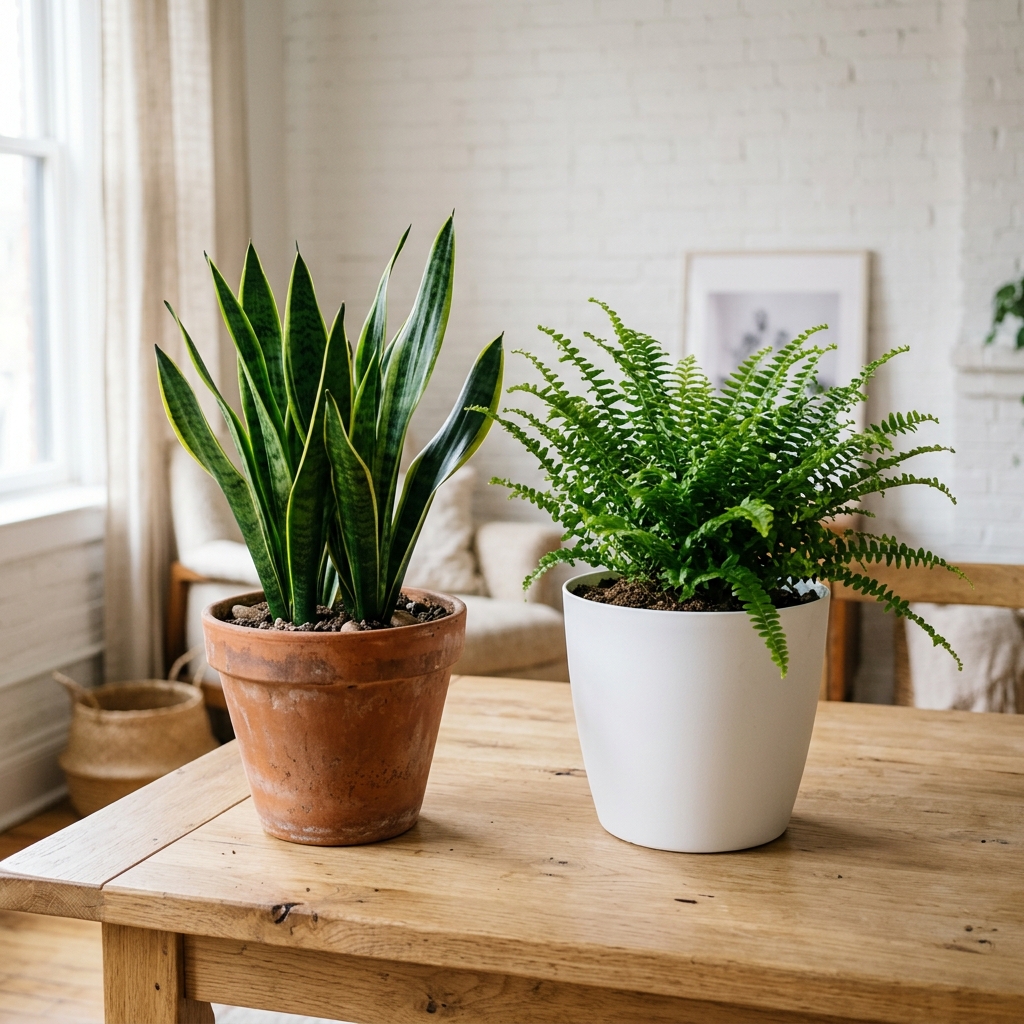
When you bring a new houseplant home, one of the first decisions you must make is selecting the perfect container. The age-old debate of terracotta vs plastic pots is something every indoor gardener eventually faces. Your choice of pot does not just affect the aesthetic of your room; it directly impacts your plant's soil moisture, root respiration, and overall health. In this comprehensive guide, we will analyze the key differences between these materials to help you discover the best pots for indoor plants in your collection.
Is there a single correct choice? Not necessarily. Both terracotta pots for indoor plants and plastic pots for indoor plants offer distinct advantages and drawbacks depending on the plant species and your home environment. By understanding the core characteristics of each material, you can prevent common care mistakes and create the ideal growing conditions. Let’s dive deep into the properties of these popular flower pots and explore how they affect your indoor garden.
Table of Contents
Terracotta vs Plastic Pots: Water Retention and Aeration
The most significant difference between these two container types lies in how they handle moisture and airflow. Understanding this distinction is crucial because moisture control is the foundation of successful plant care.
Clay is a natural, porous material that allows both water and air to pass through the walls of the pot. But do terracotta pots dry out faster than their plastic counterparts? The answer is a resounding yes. Because the clay walls absorb moisture from the soil and allow it to evaporate into the air, the soil dries out quickly and evenly. This high rate of aeration prevents stagnant water from pooling at the bottom, making terracotta pots an excellent choice for succulents, cacti, Snake Plants, and ZZ Plants.
Conversely, plastic pots are non-porous. They trap all moisture inside the pot, allowing water to escape only through the drainage holes at the bottom or through evaporation from the topsoil surface. While this can lead to overwatering if you are not careful, it is highly beneficial for moisture-loving species like Boston Ferns, Calatheas, and Peace Lilies. Using plastic pots for plants that prefer constantly damp soil reduces your watering frequency and keeps the root zone humid.
If you love the natural look of clay but worry about under-watering, there are innovative solutions available. For instance, self watering pots made of unglazed clay can deliver steady, controlled hydration. I use this one: the Back to the Roots Self-Watering Terracotta Olla Pot, which provides up to a week of precision watering by burying a clay reservoir directly in the soil. For plastic pots, clear nursery containers are highly popular because they let you see the root growth and moisture levels directly. I use this one: the Clear Nursery Pots for Plants with Saucers 20-Pack, which comes in a variety of sizes and includes drainage holes to prevent waterlogged soil.
Weight, Durability, and Cost Comparison
Beyond soil moisture, you must consider the physical properties of each pot type. These factors affect how easily you can move your plants and how long the containers will last.
Clay pots are heavy and sturdy. A large terracota pots selection is perfect for tall, top-heavy plants like palms or monsteras because the weight prevents the plant from tipping over. However, their weight makes them difficult to move around. Additionally, clay is brittle; a small terracota pots container can easily crack if dropped or exposed to freezing temperatures outdoors.
Plastic pots are lightweight, flexible, and virtually indestructible. If you frequently rearrange your indoor garden or grow plants on high shelves, plastic pots are much safer and easier to handle. In terms of cost, plastic pots are generally much cheaper than clay pots. You can buy plastic pots in bulk for a fraction of the cost of terracotta, making them highly economical if you have a large collection.
Growing Edibles and Specialized Gardening in Pots
If you want to move beyond houseplants, containers are also excellent for growing food. Let's look at how to grow tomatoes in pots and how to grow strawberries in pots using these materials.
When learning how to grow tomatoes in pots, plastic containers are usually preferred. Tomato plants are incredibly thirsty and require consistent moisture to prevent blossom end rot. A large plastic pot will retain water much better during hot summer days, ensuring the tomato roots stay hydrated. On the other hand, if you want to know how to grow strawberries in pots, terracotta is often the winner. Strawberries have shallow root systems that are highly susceptible to root rot, so the aeration provided by clay prevents the soil from becoming waterlogged.
Choosing the Right Pot for Your Plant Species
To summarize, matching the pot material to the plant's natural habitat is the best way to ensure success.
Choose terracotta pots if:
- You are growing succulents, cacti, or drought-tolerant herbs.
- You tend to overwater your plants (the porous clay acts as a safety net).
- You are potting top-heavy plants that require a stable, heavy base.
- You prefer a classic, rustic, and natural aesthetic.
Choose plastic pots if:
- You are growing ferns, calatheas, carnivorous plants, or peace lilies.
- You tend to underwater or forget to water your plants.
- You want to hang plants from the ceiling (where weight is a major concern).
- You want an affordable, durable, and shatterproof container.
How Pot Type Affects Your Watering Calendar
Because clay and plastic handle water so differently, you cannot water plants in clay pots on the same schedule as those in plastic. A plant in a plastic pot may only need water once every two weeks, while the same plant in a clay pot might require watering every five days.
To avoid root rot and underwatering, you need a customized care routine. Our plant watering calculator takes pot material (terracotta vs plastic) into account when calculating hydration needs. By using our custom tool, you can create a personalized watering schedule that adapts to your container choice. Check out our watering calculator to calibrate your plant's environment and get the perfect care schedule today.
Conclusion: The Verdict on Terracotta vs Plastic Pots
In conclusion, the terracotta vs plastic pots debate has no single winner. The best container depends entirely on the specific needs of your plants and your personal gardening habits. By choosing porous clay for drought-loving plants and non-porous plastic for moisture-loving species, you will create a thriving indoor jungle. Happy gardening!
Ready to match your pots to your plants?
Use our plant watering calculator to build a customized watering schedule taking terracotta and plastic pot properties into account.
Go to CalculatorFrequently Asked Questions (FAQs)
Do terracotta pots dry out faster than plastic pots?
Yes, terracotta pots dry out much faster because clay is a porous material. It absorbs water from the soil and allows it to evaporate through the walls of the pot. Plastic is non-porous and traps moisture inside, keeping the soil damp for longer.
What are the best pots for indoor plants that require high humidity?
For high-humidity plants like ferns and calatheas, plastic pots are generally best. They retain moisture in the soil and prevent the roots from drying out too quickly, maintaining a stable, humid environment around the root zone.
How can I use self watering pots effectively?
Self-watering pots are excellent for plants that prefer consistent moisture. They typically feature a reservoir at the bottom or an insert (like a terracotta olla) that slowly releases water into the soil, preventing dry spells and reducing your watering frequency.
How do I clean and reuse old flower pots?
To clean clay or plastic pots, scrub away soil residue and soak them in a solution of one part household bleach to nine parts water for 10 minutes. This disinfects the pots and kills any lingering fungal spores or pests. Rinse thoroughly and let them dry before reusing.
Which pot is best for growing tomatoes and strawberries?
Tomatoes grow best in large plastic pots because they require constant moisture to produce fruit. Strawberries prefer terracotta pots or specialized strawberry planters because their shallow roots need excellent drainage and aeration to prevent rot.
Species Mentioned In This Guide
Written by Abhay Singh Chauhan
Software developer and plant hobbyist with a 30-plant collection. Passionate about bringing horticultural science and technical precision to everyday plant care.