Why Is My Snake Plant Turning Yellow? The Ultimate Revival Guide
A complete guide to diagnosing yellowing leaves, understanding root cause indicators, and reviving your houseplant.
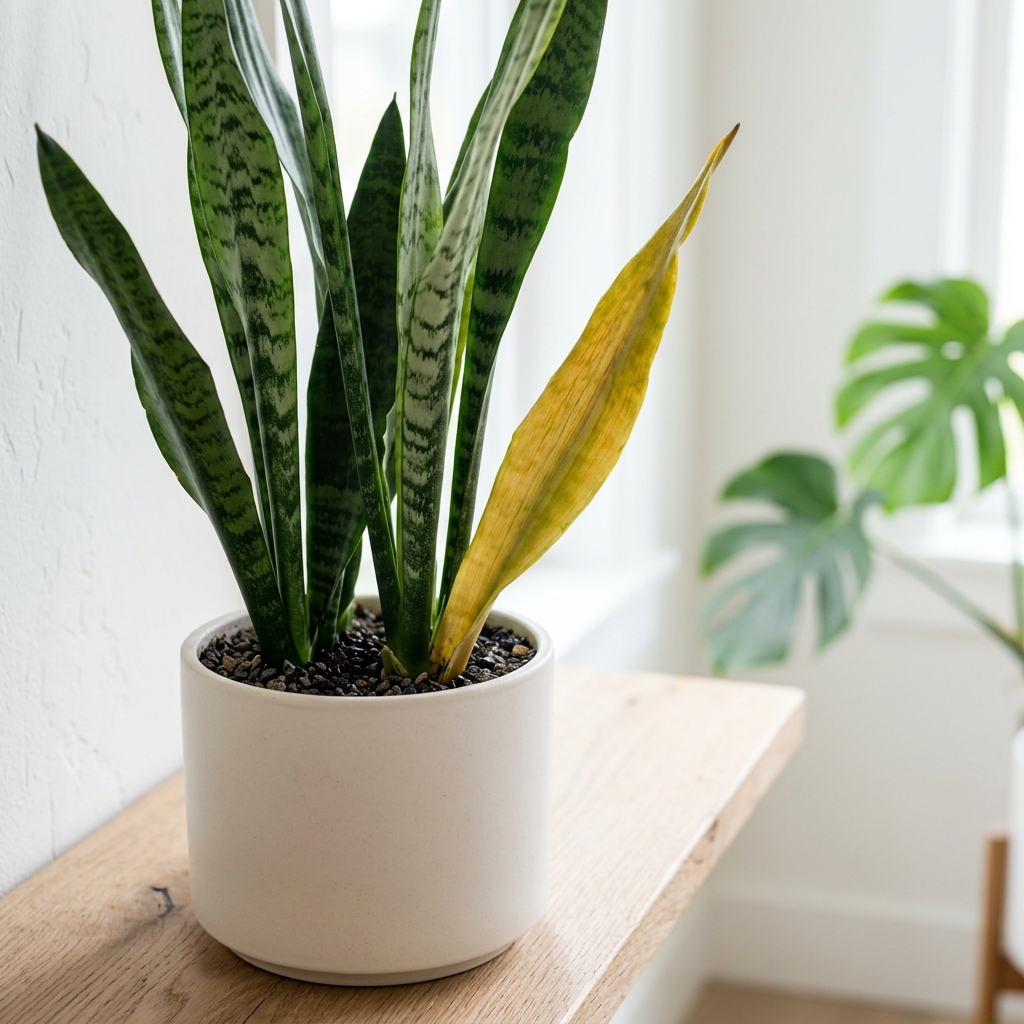
Have you noticed your beautiful houseplant losing its vibrant green hue? If you are asking yourself, "why is my snake plant turning yellow," you are not alone. The snake plant (also known as Sansevieria) is famous for its near-indestructible nature. However, even the hardiest plants can experience health issues when basic needs are misunderstood. This comprehensive guide will walk you through the essential elements of snake plant care, helping you diagnose yellowing leaves and restore your plant to its natural splendor.
Why is this architectural beauty so beloved by indoor gardeners? Beyond its striking appearance, the snake plant indoor popularity is driven by its low-maintenance lifestyle and resilience. Whether you are a beginner or an expert, understanding how to care for snake plant specimens is key to keeping them happy. Let’s dive deep into the causes of yellowing leaves, explore key snake plant care tips, and discover how you can keep your plant thriving for years to come.
Table of Contents
Understanding Snake Plant Care: The Basics
To prevent issues like yellowing, we must first cover the fundamentals of how to care for a snake plant. These plants are native to arid regions of tropical Africa, meaning they have evolved to survive in dry, warm climates. Replicating these dry conditions is the cornerstone of successful snake plant care.
When cultivated as a snake plant indoor specimen, they prefer bright, indirect light, though they can tolerate low light levels. They store water in their thick, fleshy leaves to survive long periods of drought. Because of this, standard watering routines that apply to other houseplants will quickly lead to disaster.
Why Is My Snake Plant Turning Yellow? Key Causes
Yellow leaves are a distress signal from your plant. It tells you that something in its environment is out of balance. Let’s examine the five most common culprits behind a yellowing snake plant.
Overwatering and Root Rot
If you want to know how often do you water a snake plant correctly, the golden rule is "less is more." Overwatering is the single most common reason for yellowing leaves. When soil remains constantly wet, oxygen cannot reach the roots, causing root rot.
As root rot sets in, the plant loses its ability to transport nutrients and moisture upward, resulting in soft, mushy, yellow leaves that droop. If you are unsure how often to water snake plant varieties, you should always err on the side of underwatering. The soil must dry out completely between waterings. For a quick, accurate check, you can use a soil moisture meter (I use this one) to verify that the roots aren't sitting in stagnant water.
To remove the guesswork and protect your plant from overwatering, we highly recommend using a plant watering calculator. You can easily determine your plant's exact needs using our custom calculator. Use our watering calculator to ensure you are giving it the perfect amount of hydration based on your environment.
Poor Drainage and Compacted Soil
Drainage is non-negotiable for a healthy snake plant. Poor drainage traps moisture at the bottom of the pot, causing soil compaction and suffocating roots.
Always use a well-draining soil mix, preferably one formulated for cacti and succulents, and ensure your pot has adequate drainage holes. When it is time for a change, knowing how to repot a snake plant into fresh soil will save it from suffocating.
Light Stress: Too Much or Too Little
Direct, harsh sunlight can scorch the leaves, turning them yellow and dry. Conversely, keeping a snake plant indoor in a dark corner for too long can cause the leaves to lose their chlorophyll, turning a pale, sickly yellow.
Aim for a location with bright, indirect sunlight. A few feet away from an east- or west-facing window is usually ideal. If the entire plant is turning pale and stretching toward the light, it needs a brighter spot.
Temperature Shock and Cold Drafts
Snake plants thrive in temperatures between 65°F and 85°F (18°C to 29°C) and are sensitive to cold drafts. Temperatures below 50°F (10°C) cause tissue damage.
Cold shock from air conditioners, drafty windows, or doors leads to yellow, mushy leaves. Keep plants in stable, warm environments.
Nutrient Deficiencies or Over-fertilization
Snake plants are light feeders, but nutrient deficiencies (like nitrogen lack) turn older leaves yellow. Conversely, over-fertilizing causes salt buildup, burning roots and yellowing leaf tips.
Feed your plant with a diluted, balanced fertilizer only once or twice during the active growing season (spring and summer). Never fertilize in the winter when the plant is dormant.
How to Fix a Yellowing Snake Plant
Once you have identified the cause, follow these step-by-step procedures to save your plant:
- Assess the damage: Feel the yellow leaves. Mushy leaves point to overwatering, while dry leaves suggest sunburn or underwatering.
- Trim the yellow leaves: Yellowed leaves cannot photosynthesize and will not turn green again. Cut them off at the base using sterile shears.
- Inspect the roots: If you suspect root rot, slide the plant out of its pot. Healthy roots are firm and tan, while rotted roots are mushy, black, and smelly.
- Prune decayed roots: Trim away all black, mushy roots using clean shears. Leave only healthy, firm roots.
- Repot in fresh soil: Repot the plant in fresh, dry succulent soil mix. Wait at least a week before watering lightly.
How to Propagate Snake Plant and Repot Safely
If your plant's root system is severely damaged, you can salvage the healthy parts. Learning how to propagate snake plant leaves is a fun and rewarding way to grow your collection.
Propagation Methods
There are two main methods to propagate this plant:
- Leaf cuttings in water: Cut a healthy leaf into 3-inch sections. Let the cuts callow over for a few days, then place the bottom end of the cuttings in a jar of clean water. Change the water weekly.
- Division: When you learn how to repot a snake plant, you will notice small offsets (pups) growing next to the main plant. You can gently separate these pups and pot them individually.
Repotting Guide
Knowing how to repot a snake plant prevents soil compaction. Repot every 2 to 3 years into a container 1 to 2 inches larger. Choose porous terra cotta to absorb excess soil moisture.
Snake Plant Varieties and Their Unique Benefits
Did you know that there are dozens of snake plant varieties? Each variety brings a unique aesthetic to your indoor space, and they all offer incredible benefits.
Popular Varieties
- Sansevieria Laurentii: The classic variety with yellow margins along its dark green leaves.
- Sansevieria Zeylanica: Featuring dark green banding without the yellow borders.
- Sansevieria Moonshine: A stunning variety with silvery-green, broad leaves.
- Sansevieria Hahnii: A dwarf variety that grows in a low, rosette pattern.
Health and Home Benefits
So, is snake plant good for home spaces? Yes! When examining what are snake plant benifits, air purification leads the list. They absorb household toxins like benzene and formaldehyde.
Additionally, they release oxygen at night, making them the perfect companion for your bedroom. They also help regulate indoor humidity. Clearly, the snake plant benefits extend far beyond simple home decor.
Conclusion: Keeping Your Snake Plant Thriving
In conclusion, a yellowing snake plant indicates an issue, but it is rarely fatal. Adjusting your watering schedule, drainage, and light easily prevents yellow leaves. These resilient succulents are built to survive and recover quickly.
To maintain health, practice the core snake plant care tips in this guide. Use our plant watering calculator to determine exactly how often to water snake plant specimens in your home climate. With proper care, your snake plant will continue to purify your air and beautify your home.
Ready to calculate your snake plant's exact watering needs?
Get a schedule pre-loaded for Snake Plant, or read our full Snake Plant Care Guide for light, soil, and propagation tips.
Snake Plant Watering CalculatorFrequently Asked Questions (FAQs)
How often do you water a snake plant in winter?
During winter, snake plants enter a dormant phase. Reduce your watering frequency significantly. Typically, watering once every 4 to 6 weeks is sufficient. Always verify that the soil is dry before adding water.
Can yellow snake plant leaves turn green again?
No, once a snake plant leaf turns yellow, it cannot revert to green. The cells in that part of the leaf have been permanently damaged. It is best to prune the yellow leaves at the base to allow the plant to focus its energy on new growth.
Is snake plant good for home bedrooms?
Yes, it is highly recommended for bedrooms. Snake plants perform CAM photosynthesis, allowing them to release oxygen and absorb carbon dioxide at night. This improves air quality while you sleep.
What are the main snake plant benefits?
The main benefits include air purification, nighttime oxygen production, low maintenance, and aesthetic versatility. They are also known to improve indoor humidity levels and reduce airborne allergens.
When should I repot my snake plant?
Repot your snake plant every 2 to 3 years, or when you notice roots growing out of the drainage holes. Another sign is if the pot feels extremely heavy or if water runs straight through. Always repot during the spring or summer active growing season.
Similar Low-Maintenance, Drought-Tolerant Species

Written by Abhay Singh Chauhan
Software developer and plant hobbyist with a 30-plant collection. Passionate about bringing horticultural science and technical precision to everyday plant care.