Pothos Plant Care: The Ultimate Grow and Propagation Guide
A deeply researched, comprehensive guide to mastering pothos care, troubleshooting yellow leaves, water propagation, and growing thriving varieties.
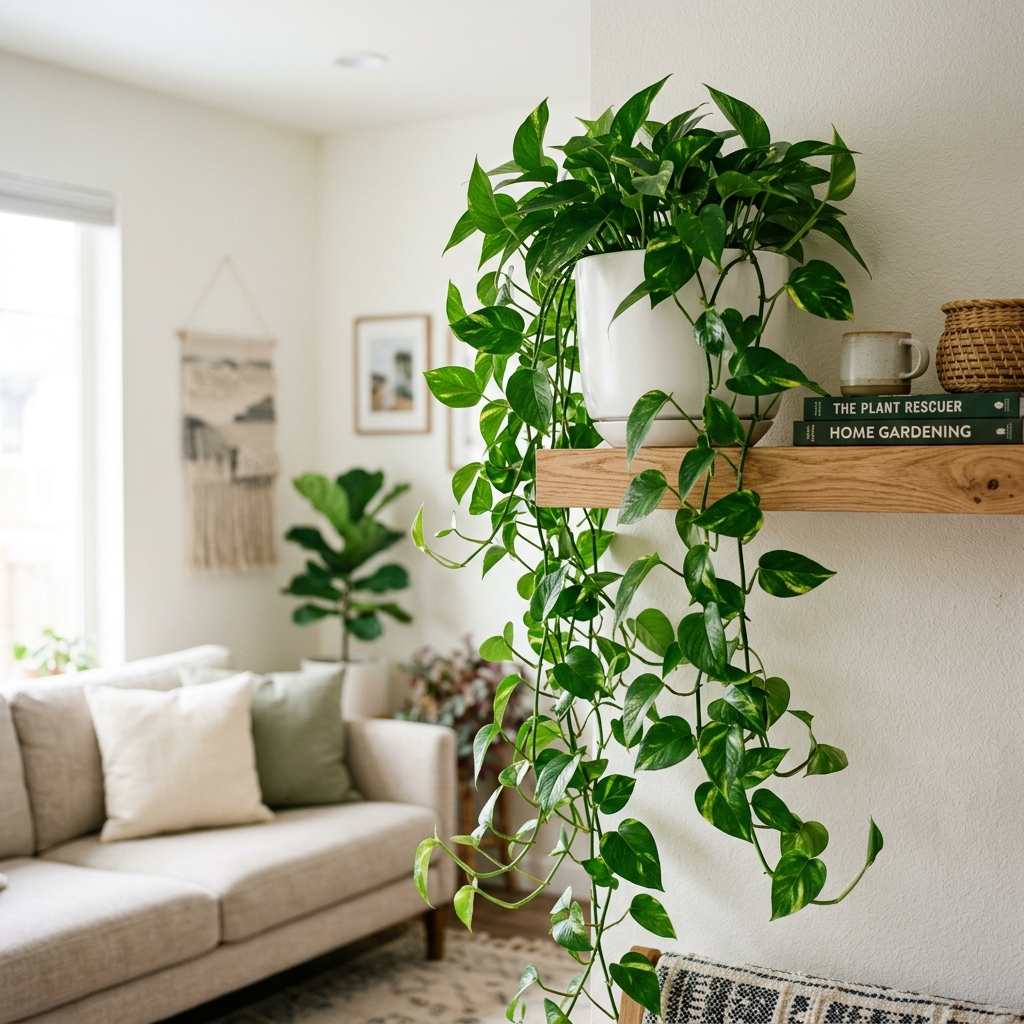
Have you recently added a trailing beauty to your home, or are you hoping to revive a struggling specimen? If so, mastering pothos plant care is the single best way to ensure your indoor jungle thrives. The pothos plant (botanically known as Epipremnum aureum) is celebrated as one of the most resilient and versatile houseplants in the world. Whether you are a beginner looking for a low-maintenance companion or an experienced collector displaying a cascading canopy, this ultimate pothos care guide covers everything you need to know.
Why is this plant so wildly popular among indoor gardeners? Beyond its striking looks, the plant's ability to tolerate neglect while purifying indoor air makes it a household staple. From the classic golden leaves to highly sought-after cultivars like the marble queen pothos, manjula pothos, and neon pothos, there is a variety to fit every home. Let’s dive deep into the daily care requirements, propagation techniques, and troubleshooting strategies to keep your plant in peak condition.
Table of Contents
Understanding Pothos Care: The Core Growth Requirements
To establish a healthy environment for your plant, we must look at its native habitat. Pothos plants are native to the tropical forests of French Polynesia, where they grow as understory vines climbing up tree trunks. Replicating this warm, humid, and dappled-light environment is the core foundation of successful how to care for pothos protocols.
When grown indoors, they adapt remarkably well to average home conditions. However, providing optimal levels of water, light, soil aeration, and humidity will transform a slow-growing vine into a lush, cascading statement piece. Let’s break down each environmental factor in detail.
How Often to Water Pothos Plants
Watering is the most critical element of pothos care. While these plants are forgiving of occasional dry spells, consistent overwatering is a quick path to root decay. The key is to let the top 2 to 3 inches of potting soil dry out completely between waterings.
When the soil is dry, water the plant thoroughly until water drains from the bottom of the container. Never let the roots sit in standing water, as stagnant moisture deprives the roots of oxygen. If you are unsure when to water, you can use our advanced watering calculator. This tool calibrates your plant's exact watering frequency based on pot size, soil composition, and local environment.
Light Requirements for Vibrant Foliage
Pothos plants thrive in bright, indirect sunlight. This light level supports rapid growth and keeps variegated varieties—like the snow queen pothos and marble queen pothos—looking their best. Without adequate light, variegated cultivars may lose their white patterns and revert to solid green to maximize photosynthesis.
While they can tolerate low-light spaces (like bathrooms or offices), their growth will slow significantly. Conversely, avoid exposing your plant to direct afternoon sunlight. Intense UV rays will quickly scorch the leaves, leaving dry, bleached, or brown patches on the foliage.
Ideal Soil Mix and Repotting Best Practices
A well-draining potting medium is essential for preventing root rot. Standard houseplant potting soils are often too heavy and retain too much moisture. To create the perfect environment, mix standard potting soil with perlite and peat moss in a 2:1:1 ratio.
Perlite creates micro-pockets of air that allow roots to breathe, while peat moss retains just enough moisture without compaction. When repotting, always choose a container with functional drainage holes. Repotting should be done every 1 to 2 years, or when the roots begin circling the bottom of the pot.
Humidity and Temperature Tolerance
Pothos plants are comfortable in standard household temperatures between 60°F and 85°F (15°C to 29°C). They are sensitive to sudden drops in temperature, so keep them away from cold drafty windows, air conditioning vents, and heaters.
While they tolerate average indoor humidity, they truly thrive in humidity levels above 50%. If your home is dry (especially during winter), you can boost humidity by placing the pot on a tray filled with pebbles and water, grouping plants together, or running a small humidifier nearby.
How to Propagate Pothos: A Step-by-Step Tutorial
One of the most rewarding aspects of keeping this plant is learning how to propagate pothos. Because they root easily, you can quickly turn a single leggy vine into a dozen new plants. Propagation is also an excellent way to make your parent plant look fuller by planting rooted cuttings back into the top of the pot.
To begin, you will need a healthy parent plant, clean scissors or pruning shears, and a small container of water or moist soil. Spring and summer are the ideal seasons for propagation, as the plant is in its active growth phase.
Where to Cut Pothos to Propagate
The secret to successful propagation lies in locating the **nodes**. A node is a small, brown bump on the stem where leaves and aerial roots emerge. Roots will only grow from nodes, so a cutting without a node will never produce roots.
Identify a healthy vine and select a section with 3 to 4 leaves. When choosing where to cut pothos to propagate, cut the stem about 1/4 inch below a node. Remove the bottom leaf from the cutting to expose the node, ensuring that you have at least 2 leaves remaining at the top to support photosynthesis.
How to Propagate Pothos in Water
Learning how to propagate pothos in water is the most popular and visual method. It allows you to watch the root system develop in real time.
- Step 1: Place your prepared cuttings into a clean glass jar filled with room-temperature water. Ensure the exposed nodes are fully submerged, but keep the remaining leaves above the water line to prevent rot.
- Step 2: Place the jar in a spot that receives bright, indirect light. Avoid direct sunlight, which can cause algae growth in the water.
- Step 3: Replace the water once a week to keep it oxygenated and free of bacteria. Within 7 to 14 days, you will notice tiny white roots emerging from the submerged nodes.
- Step 4: Once the roots are at least 2 inches long (usually after 4 to 6 weeks), transplant the cuttings into a pot filled with fresh potting soil. Keep the soil slightly damp for the first week to help the water roots adjust to the soil environment.
Popular Pothos Varieties and Their Characteristics
The world of pothos extends far beyond the common green vine. Collectors love the sheer variety of leaf patterns, textures, and colors available. Let's explore some of the most popular cultivars you can add to your home.
Golden Pothos
The Golden Pothos (Epipremnum aureum) is the quintessential variety. It features heart-shaped green leaves splashed with gold and creamy yellow variegation. It is incredibly hardy and tolerates lower light levels better than most other variegated varieties.
Marble Queen Pothos and Snow Queen Pothos
The marble queen pothos is a stunning variety characterized by high-contrast, green-and-white marbled leaves. Because it has less chlorophyll, it grows slower than the Golden Pothos and requires brighter, indirect light to maintain its variegation.
The snow queen pothos is closely related but features even heavier white variegation, with leaves that are sometimes almost completely white. Keep this delicate beauty in bright light to support its growth and prevent it from reverting to green.
Neon Pothos
For a pop of vibrant color, the neon pothos is unmatched. It features solid, glowing lime-green leaves that look almost artificial. This variety does not have variegation, but it needs bright light to keep its bright neon color; in low light, it will fade to a darker, duller green.
Manjula Pothos and Cebu Blue Pothos
The manjula pothos is a patented variety developed by the University of Florida. It features wide, wavy, heart-shaped leaves with margins that curve upward. The variegation is a mixture of cream, white, silver, and green.
The cebu blue pothos (Epipremnum pinnatum 'Cebu Blue') offers a unique look, featuring elongated, arrow-shaped leaves with a striking silvery-blue metallic sheen. It is a vigorous climber and looks particularly spectacular when allowed to climb a moss pole.
Troubleshooting Common Pothos Problems
While these plants are resilient, they will show visual signs of distress when their environmental needs are neglected. Understanding these signals allows you to take corrective action before permanent damage occurs.
Why Are My Pothos Leaves Turning Yellow?
If you are asking yourself, "why is my pothos turning yellow," the most common cause is overwatering. Wet soil suffocates the roots, leading to root rot. As the roots decay, they lose the ability to transport nutrients, causing leaves to turn yellow and drop. If you suspect overwatering, check out our guide on diagnosing and saving an overwatered plant to implement a rescue plan.
However, if the yellowing is accompanied by dry, crispy leaf margins and bone-dry soil, it is a sign of underwatering. Additionally, natural aging causes older leaves near the base of the plant to turn yellow and drop over time, which is completely normal.
Do Pothos Like to Be Root Bound?
A common question indoor gardeners ask is: "do pothos like to be root bound?" The short answer is yes, they tolerate being root bound relatively well. They will continue to grow even when their roots fill the container.
However, there is a limit. If the roots become tightly compacted, they will crowd out the soil, making it impossible for the plant to absorb water and nutrients. You will notice water running straight through the pot, stunted growth, and frequent wilting. If you see these signs, it is time to repot into a container 1 to 2 inches larger.
Can Pothos Live Outside?
If you are wondering, "can pothos live outside," the answer depends on your local climate. Pothos plants are tropical understory specimens and cannot tolerate cold temperatures.
They can live outside year-round only in USDA hardiness zones 10 through 12, where temperatures never drop below 50°F (10°C). If you live in a colder climate, you can move your pothos outdoors to a shaded patio for the summer. However, make sure to bring it back inside well before the first autumn cold snap.
Is Golden Pothos Toxic to Cats?
As responsible pet owners, safety is always a priority. If you are asking, "is golden pothos toxic to cats," the answer is yes. Pothos plants contain insoluble calcium oxalate crystals.
When chewed, these crystals penetrate the soft tissues of the mouth, causing immediate irritation, swelling, difficulty swallowing, and drooling. Keep your trailing vines high on shelves or hanging baskets out of reach of curious pets.
Calibrating Hydration: How Our Plant Watering Calculator Protects Your Pothos
Many plant owners rely on a rigid weekly calendar to water their pothos. However, a static schedule does not account for the dynamic environmental factors that dictate water consumption. In fact, a rigid routine is the primary cause of houseplant mortality through root rot.
To keep your pothos healthy, you need a dynamic, customized system. We have developed a plant watering calculator that evaluates your plant's species, pot material, and indoor environment. By using our custom tool, you can establish a precise watering schedule. Our calculator evaluates key variables to ensure you provide the perfect amount of water.
First, the calculator considers the pot material. Terracotta pots are porous and absorb water from the soil, causing it to dry out quickly. Plastic and ceramic containers are non-porous and lock moisture in, requiring less frequent watering. Second, the calculator evaluates your soil mix, accounting for whether it contains high-drainage additives like perlite or water-retentive components like peat moss.
Third, environmental conditions like ambient temperature and local humidity are taken into account. Plants transpire faster in warm, dry air, requiring more frequent watering. During the winter, when indoor heating dries out the air, transpiration rates shift. Finally, the tool accounts for seasonal light cycles. Plants experience active growth in spring and summer, consuming water quickly. In the winter, growth slows, and water requirements drop.
By combining all of these metrics, our plant watering calculator removes the guesswork from plant care. Instead of wondering if the soil is dry enough, you get a calculated, scientifically backed recommendation. Protect your pothos and ensure its long-term health by checking out our watering calculator today.
Conclusion: Thriving with Your Pothos
In conclusion, providing proper pothos plant care is a rewarding experience that yields beautiful, cascading foliage. By mastering the balance of indirect light, aerated soil, and careful watering, you can easily keep these plants healthy. Remember to propagate your vines to create new growth and expand your collection. With the right care and our custom watering calculator, your pothos will continue to beautify your home for years to come.
Ready to optimize your pothos watering schedule?
Get a schedule pre-loaded for Pothos, or use our general calculator to customize every variable yourself.
Frequently Asked Questions (FAQ)
How to care for pothos?
To care for pothos, place the plant in bright, indirect sunlight and pot it in a well-draining soil mix. Water only when the top 2 to 3 inches of soil feel dry. Maintain ambient indoor temperatures between 60°F and 85°F, and keep the plant away from drafty windows and vents.
How often to water pothos?
Water your pothos every 1 to 2 weeks, allowing the soil to dry out between waterings. The exact frequency depends on light, temperature, and container material. Always perform a physical check of the soil before adding water to prevent overwatering.
Why is my pothos turning yellow?
A yellowing pothos is most commonly a sign of overwatering, which leads to root decay. If the soil is damp and mushy, stop watering and check the roots. If the leaves are dry and crispy, the plant is likely underwatered.
Where to cut pothos to propagate?
Cut the stem about 1/4 inch below a node, which is the small brown bump where leaves grow. Ensure your cutting has at least 3 to 4 leaves and at least one exposed node to grow new roots.
Why are my pothos leaves turning yellow?
Pothos leaves turn yellow due to overwatering, underwatering, light deficiencies, or nutrient imbalances. Check the moisture level of the soil to determine if the cause is root suffocation or lack of moisture.
Can pothos live outside?
Pothos can live outside year-round only in tropical climates (zones 10-12). In colder areas, they can spend the summer outdoors in a shaded spot, but must be brought inside before temperatures drop below 50°F.
How to propagate pothos?
To propagate pothos, take 4-inch stem cuttings with at least one node. Place the cuttings in water or moist soil, ensuring the node is covered. Roots will emerge in 1 to 2 weeks.
How to propagate pothos in water?
Submerge the exposed nodes of your cuttings in a jar of clean, room-temperature water. Place the jar in indirect light and change the water weekly. Transplant the cuttings to soil when the roots are 2 inches long.
Do pothos like to be root bound?
Pothos plants tolerate being root bound, but they do not prefer it long-term. Extremely root-bound plants will suffer from stunted growth, quick drying, and nutrient depletion, requiring repotting.
Is golden pothos toxic to cats?
Yes, golden pothos is toxic to cats and dogs. The plant contains calcium oxalate crystals that cause intense mouth pain, drooling, vomiting, and swelling if chewed or ingested.
Similar Easy-Care Vines

Written by Abhay Singh Chauhan
Software developer and plant hobbyist with a 30-plant collection. Passionate about bringing horticultural science and technical precision to everyday plant care.