Snake Plant Care: The Ultimate Guide to Watering, Light & Placement
A complete horticultural blueprint to mastering Sansevieria care, optimizing your watering schedule, and preventing common pitfalls.
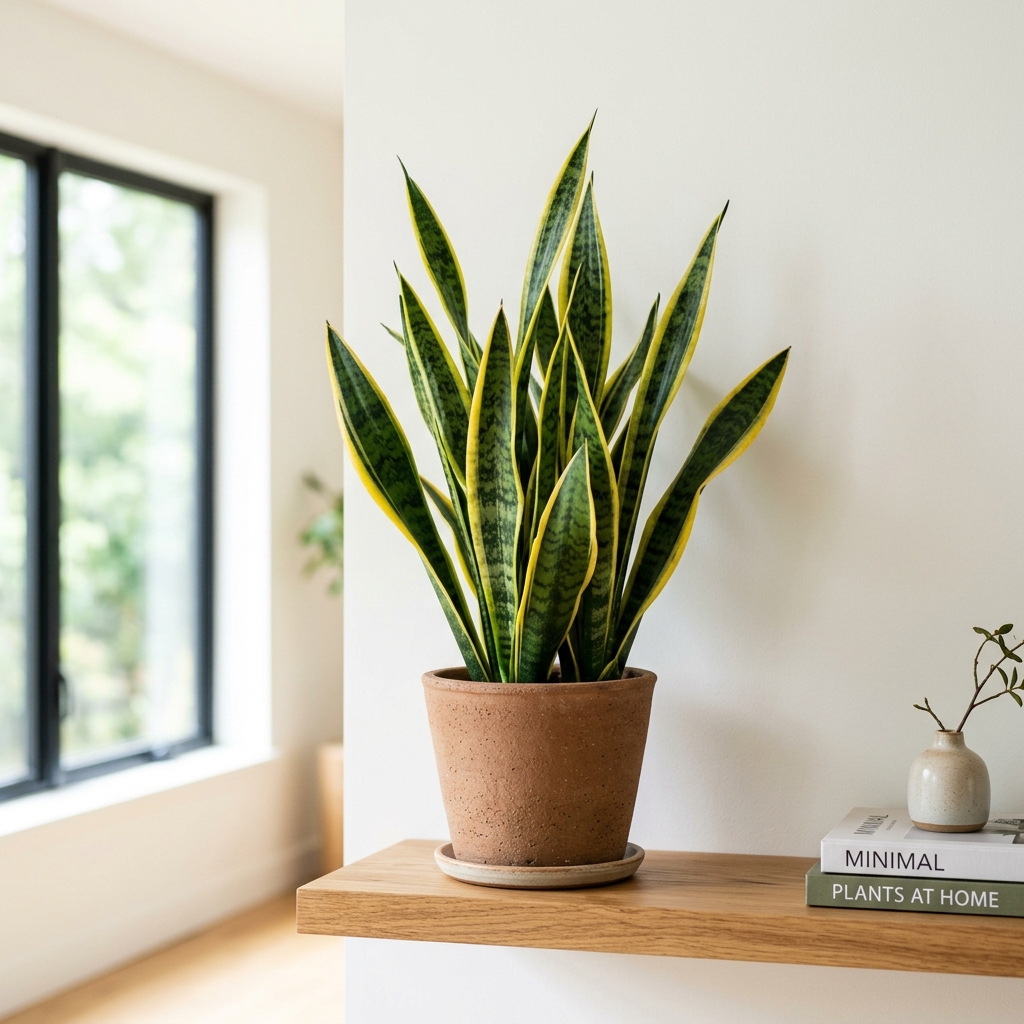
The snake plant (formerly known under the genus Sansevieria, and recently reclassified as Dracaena trifasciata) is celebrated as one of the most resilient and architecturally striking houseplants in the world. With its upright, sword-like leaves that feature beautiful horizontal patterns and yellow borders, it brings a modern, structural aesthetic to any space. Native to the tropical and arid regions of West Africa, this plant has evolved to withstand extreme environmental challenges, making it an excellent companion for both beginner plant parents and experienced collectors.
However, despite its near-indestructible reputation, thousands of indoor gardeners still struggle with keeping their snake plants healthy. The main culprit? Improper plant watering. In an effort to provide care, many owners end up overwatering their plants, suffocating the root system, and causing decay. Successful snake plant watering requires shifting our mindset away from strict weekly schedules and toward a dynamic, environment-based approach. This guide will provide detailed plant watering instructions, cover optimal lighting and soil environments, and explore how a digital watering calculator can protect your plant.
Table of Contents
Light and Placement Requirements
One of the greatest myths surrounding snake plants is that they are "low-light plants." While it is true that they can *survive* in dim corners, windowless offices, or dark bathrooms, this is far from their ideal condition. In low-light environments, the plant's metabolic rate slows down to a crawl. It stops growing and enters a state of conservation, which means its water consumption drops to almost zero. Placing a snake plant in a dark spot and watering it on a standard schedule is a guaranteed recipe for root decay.
To help your snake plant thrive rather than just survive, place it in bright, indirect sunlight. A spot near an east- or west-facing window is perfect. They can even tolerate a few hours of direct morning sun, which encourages faster growth and enhances the vivid green and yellow variegation of the leaves. If you are growing other species like a spider plant watering setup, you will notice that snake plants consume water much more slowly than most standard houseplants because of their thick, water-storing leaf cells.
When choosing a location, also keep temperature and air circulation in mind. Snake plants prefer temperatures between 60°F and 85°F (15°C to 29°C) and are highly sensitive to frost. Avoid placing them near cold windows in winter or directly in the path of drafty air conditioning vents, as sudden temperature fluctuations can shock the root system and weaken the plant's natural defense mechanisms.
The Soak and Dry Watering Method
When it comes to watering succulents and arid plants, the most effective technique is the "soak and dry" method. In their natural African habitat, snake plants experience periods of prolonged drought followed by heavy tropical downpours. To keep your plant healthy, you should replicate this natural cycle in your home.
When you water your plant, do not give it minor sips of water. Giving a plant a small splash of water every few days only wets the top layer of soil, leaving the deeper roots dry and encouraging shallow, weak root systems. Instead, you should drench the soil thoroughly. Pour water evenly over the soil surface until it runs freely out of the drainage holes at the bottom of the pot. This deep watering ensures that the entire root ball is saturated, giving all root hairs access to moisture.
After soaking the soil, it is absolutely critical to let it dry out completely before watering again. For a snake plant, the soil must be 100% dry from the top surface all the way to the bottom of the pot. Succulents store water in their fleshy leaves and underground rhizomes (potato-like root structures), allowing them to thrive during dry periods. Leaving the roots in dry soil for a week or two is not only safe; it is beneficial, as it allows the roots to breathe and prevents fungal infections.
Calibrating Your Plant Watering Schedule
How often should you water a snake plant? There is no single, universal answer. A rigid weekly calendar does not account for the dynamic environmental factors that dictate water evaporation and transpiration. The frequency of your plant watering schedule depends on several key variables:
- Light Levels: Plants in bright light photosynthesize faster and consume water quickly. A plant in a dark corner may only need water once every 6 to 8 weeks, while one in bright indirect sun may need it every 2 to 3 weeks.
- Seasonal Cycles: During the spring and summer active growth phases, water consumption is high. In the winter dormant period, growth stops, and water needs decline. You may only need to water your snake plant once or twice during the entire winter.
- Pot Type and Size: Small pots dry out faster than large pots. Additionally, porous pots like terracotta wick moisture away, while plastic or glazed ceramic pots retain water.
- Temperature and Humidity: High temperatures and dry indoor air increase evaporation rates, requiring more frequent watering.
To avoid guesswork, you can utilize an indoor plant watering calculator to determine the ideal schedule for your environment. While you might use a lawn watering calculator or a general watering calculator for outdoor landscapes, indoor pots require a specialized, container-oriented approach to account for stagnant air and drainage limits.
Soil Mix and Drainage Essentials
The foundation of a healthy snake plant lies beneath the surface. Because these plants are highly sensitive to excess moisture, standard houseplant potting soil is too heavy and compact. It retains water for too long, depriving the roots of vital oxygen.
You must plant your snake plant in a fast-draining, gritty soil mix. A specialized cactus and succulent mix is ideal. If you want to make your own, combine two parts standard potting soil with one part perlite and one part coarse sand. Perlite creates air pockets in the soil, while sand facilitates rapid drainage. This gritty mixture ensures that water moves through the pot quickly, leaving the soil damp but never soggy.
Equally important is your choice of container. Always use a pot with functional drainage holes at the bottom. A pot without drainage holes acts as a reservoir, trapping stagnant water at the bottom and drowning the roots. We highly recommend using terracotta pots. Terracotta is made of porous clay, which allows air and moisture to pass through the walls of the pot. This wicking action helps the soil dry out more quickly and evenly. If you prefer decorative glazed pots, keep the plant in a cheap plastic nursery container inside the decorative pot, and remove it to water and drain.
If you are interested in modern setups, a self watering plant system or an automatic plant watering system can be convenient, but they are generally designed for moisture-loving plants. For a snake plant, a traditional drainage setup paired with manual, calculated watering is much safer than any continuous moisture delivery system.
Troubleshooting Common Snake Plant Problems
When a snake plant is unhappy, it communicates its distress through visible changes in its leaves. Identifying these signs early is key to saving the plant before permanent damage occurs.
Essential Revival Resources
If your plant is already showing signs of severe distress, use our dedicated troubleshooting articles to diagnose the issue and start a rescue plan:
- Yellow leaves? Yellow leaves? See our snake plant yellowing guide to identify nutritional gaps, pests, or rot.
- Drowning roots? Learn the signs of an overwatered plant to save it before the decay becomes terminal.
Other common issues include wrinkled or puckered leaves, which indicate severe underwatering. If the soil is bone-dry and the leaves look shriveled, the plant has depleted its internal water reserves and needs a deep soak. Another issue is scarred or split leaves, which are usually caused by physical damage or severe fluctuations in humidity. Unlike tropical plants, snake plants do not require high humidity; average household humidity (around 30-40%) is perfect.
How to Propagate Snake Plants
One of the most rewarding aspects of snake plant care is propagation. If your plant has grown too tall, or if you want to share a piece of it with a friend, you can easily propagate new plants from leaf cuttings or root divisions.
Leaf Cuttings in Water: Cut a healthy leaf near the base of the plant using clean, sterile shears. Cut the leaf into 3- to 4-inch segments, making sure to keep track of which end was facing down (roots will only grow from the bottom of the cut). Place the bottom of the cuttings in a glass of water, ensuring about 1 inch is submerged. Place the glass in bright indirect light and change the water weekly. Within 4 to 6 weeks, roots and small pups will begin to emerge.
Rhizome Division: This is the fastest method to get a mature new plant. Remove the plant from its pot and examine the root system. You will see thick, horizontal underground stems (rhizomes) connecting the leafy clumps. Using a sharp, clean knife, cut the rhizomes to separate the clumps, ensuring each division has healthy roots and at least one leaf cluster. Pot each division in fresh succulent soil and wait a week before watering to allow the cut to callus over.
Precision Hydration: Using a Watering Calculator
Because watering is so critical to snake plant health, relying on guesswork can be risky. That is why we recommend using a digital plant watering calculator. By analyzing parameters like pot material, soil composition, light exposure, and ambient temperature, our tool calculates a precise schedule that aligns with your plant's biology.
Want to eliminate the guesswork entirely?
Use our smart calculator to generate a custom watering plan. Select the snake plant preset to calibrate the tool for succulent roots and low-transpiration needs.
Frequently Asked Questions (FAQ)
How often do you water a snake plant?
Typically, you should water a snake plant every 2 to 4 weeks during the spring and summer active growth phase, and every 6 to 8 weeks during the winter. However, you should always check that the soil is 100% dry before watering.
Do snake plants clean indoor air?
Yes, snake plants are famous for their air-purifying qualities. They absorb carbon dioxide and release oxygen at night (via Crassulacean Acid Metabolism, or CAM photosynthesis). They also filter airborne toxins like benzene, formaldehyde, and xylene from the indoor environment.
What are the best pots for snake plants?
The best pots for snake plants are porous terracotta clay containers with drainage holes. Terracotta allows excess moisture to evaporate through its walls, helping the soil dry out evenly and preventing root rot.
Can snake plants live in low-light rooms?
Yes, snake plants can tolerate low-light spaces. However, their growth will slow to a crawl, and their water consumption will drop. You must reduce your watering frequency significantly to avoid overwatering and rotting.
Why are my snake plant leaves falling over or drooping?
Drooping or falling leaves are usually a sign of overwatering and root rot. If the base of the leaves feels soft, mushy, or slimy, the root system has decayed, and the plant can no longer support its weight. Immediate repotting and root pruning are required.
Similar Low-Maintenance, Drought-Tolerant Species

Written by Abhay Singh Chauhan
Software developer and plant hobbyist with a 30-plant collection. Passionate about bringing horticultural science and technical precision to everyday plant care.